


The practical need for a virtual machine for iPad
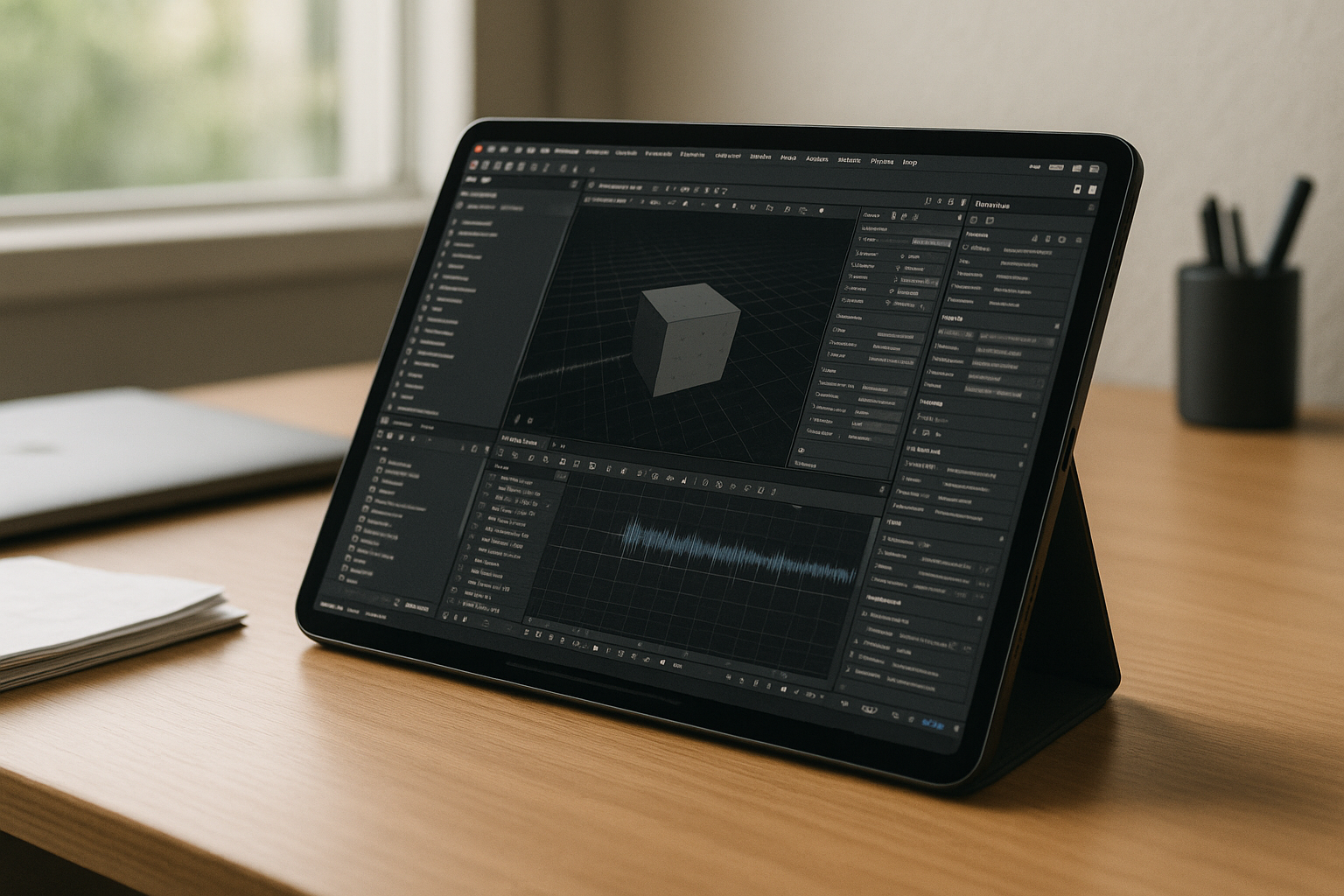
You’re on-site with an iPad, but your work depends on desktop-class macOS software, large assets, and plugins. The moment you need Xcode tools, a 3D editor, or a color pipeline, you hit a wall because iPadOS won’t run the stack natively. Files pile up, deadlines slip, and you start juggling devices or begging for a nearby Mac just to press Build or render a scene. If what you need is a virtual machine for iPad, the challenge is finding a setup that actually respects your time, latency needs, and professional workflows.
Why buying a Windows PC won’t solve iPadOS virtualization
When iPadOS blocks native hypervisors, many consider buying a Windows laptop as a quick fix. In practice, that adds cost, new IT overhead, and a split toolchain, while doing nothing to help you virtual machine for iPad scenarios aimed at macOS apps. Your macOS-only tools and licenses still won’t run natively on Windows, your assets scatter across devices, and context switching kills throughput. For teams, this creates brittle handoffs, version drift, and a maintenance burden that grows with every project and contractor.
2026 reality: iPadOS virtualization meets browser-first infrastructure
In 2026, engineering and creative stacks are shifting to cloud-native delivery where GPU compute, storage, and security policies live in the data center, while access happens through the browser. Teams demand zero local setup, consistent environments, and hardware independence, whether they carry an iPad, Chromebook, or thin client. Low-latency streaming, edge points of presence, and modern codecs make interactive 3D, compiling, and media timelines practical over the web. This trend directly answers the need to virtual machine for iPad without forcing device swaps or local installs.
A better iPad VM workflow: desktop software in the browser
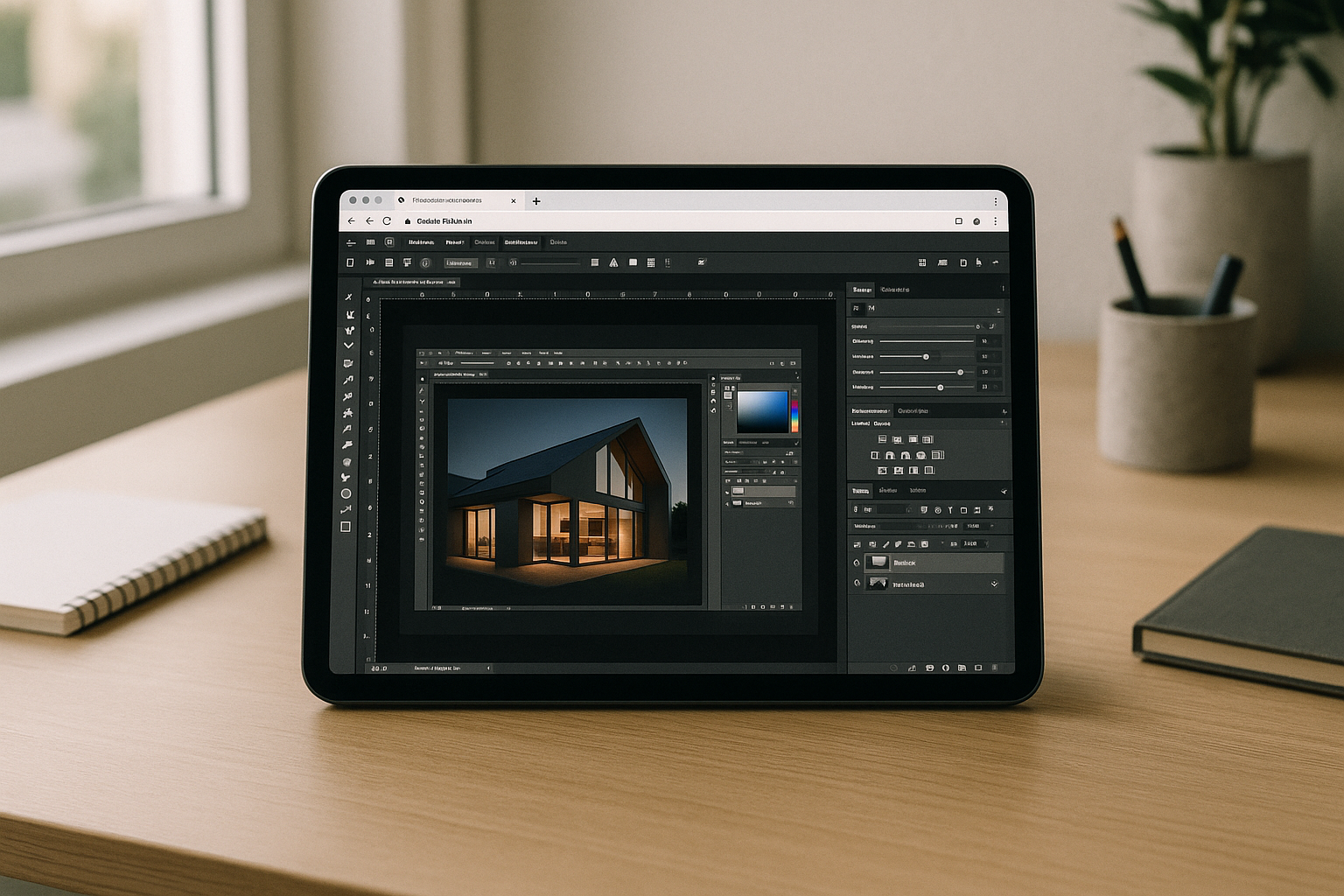
Workarounds like simplifying tasks into mobile-friendly steps, exporting to lightweight viewers, or borrowing a colleague’s workstation break under real production loads. If you need to continue working from an iPad or tablet, a cloud Windows environment for mobile devices can provide another way to access the software without installing it locally. The durable path is to open full desktop tools directly in the browser, with your files, plugins, and GPU power available on demand. This keeps your iPad as the secure, portable access point while execution happens in a robust environment that mirrors a capable workstation. For professionals seeking an iPad VM experience that actually holds up, browser-based execution is the cleanest route.
Aristeem turns virtual machine for iPad into instant reality
Aristeem delivers a full desktop environment in your browser on iPad — no setup, no local installs, and no device juggling. It is not an emulator and not a remote desktop; it’s a ready-to-work space where desktop apps are pre-installed and pre-configured, and you can start them from the library with a simple Launch button, providing a license only if that software requires one. Latency is tuned for interactive work, so compiling, editing, and 3D tasks feel responsive, with storage and plugins living alongside your environment. For a broader look at how cloud infrastructure decouples heavy workloads from local hardware limitations, see the overview of cloud virtual machine strategic assets.
Conclusion: virtual machine for iPad without the friction
If your goal is to run macOS-class software from an iPad, a browser-based desktop environment removes hardware constraints, avoids installs, and keeps teams aligned on one consistent toolchain. You stay mobile while your heaviest workloads execute in a stable, scalable space designed for pro use. To see the experience in action, explore how software runs directly in a browser.


